
A global perspective on neonatal and child male circumcision: Insights from the WHO
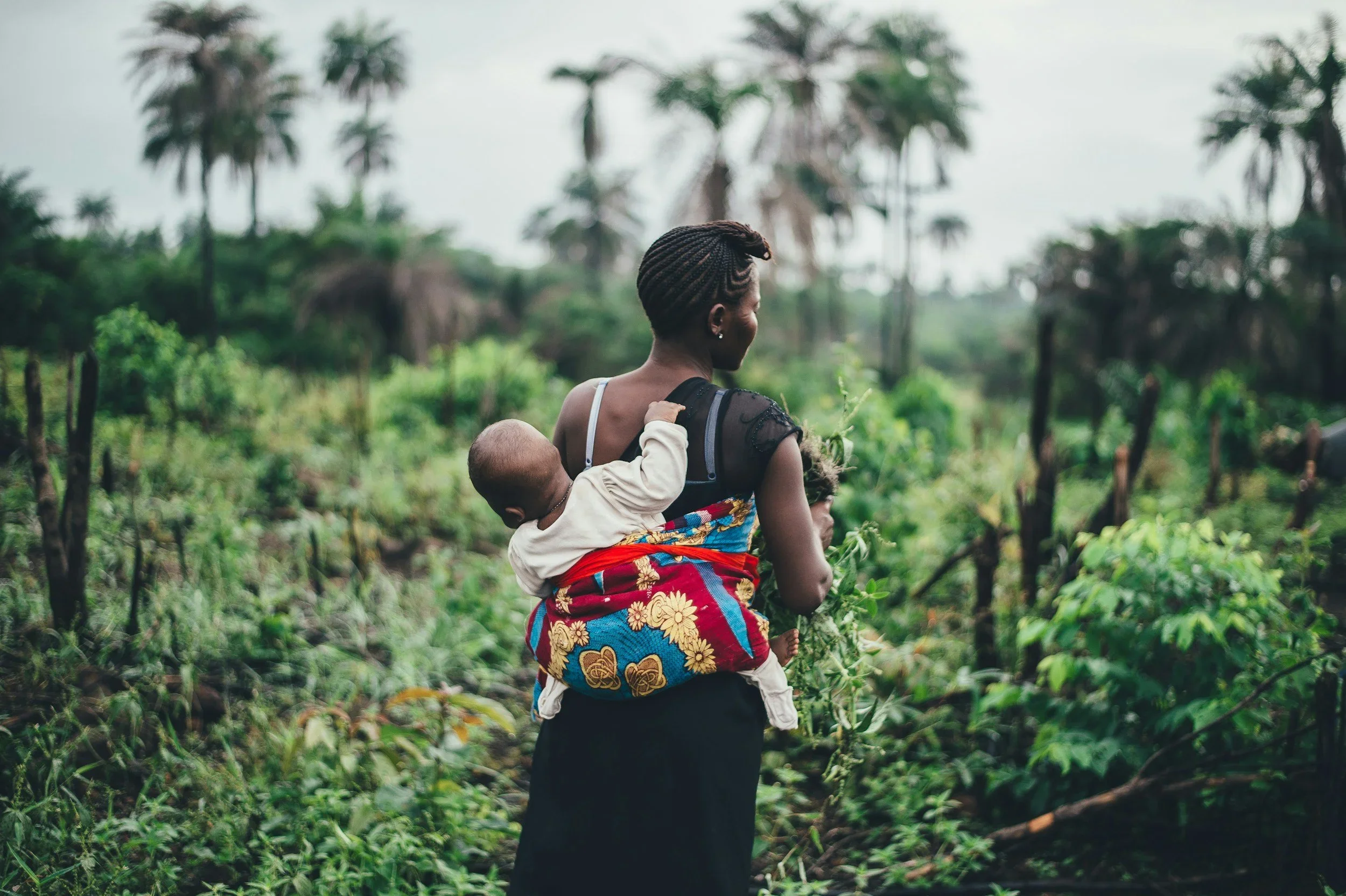
Male circumcision is a practice that spans centuries and crosses many cultural, religious, and geographic boundaries. According to the World Health Organization (WHO), the procedure can have significant health benefits, particularly when performed in infancy or early childhood. Let's explore some key takeaways from the WHO's global review of neonatal and child male circumcision, providing a comprehensive view of the practice around the world and its relevance today.
Historical and cultural context of circumcision
Circumcision is deeply embedded in the traditions of various cultures and religions. For example, it has been practiced by Jewish and Islamic communities for millennia. However, outside of religious contexts, it has also seen medical adoption in many countries. The WHO report emphasizes that the motivations for circumcision vary widely, from religious rites to public health policies aimed at reducing the risk of infections.
Global circumcision rates and practices
The WHO's review reveals a wide variation in global circumcision rates across different regions. In some countries, circumcision is nearly universal, while in others, it is far less common. The review highlights key trends:
Africa: A high prevalence of circumcision, largely due to its role in HIV prevention programs in countries with high HIV incidence.
Middle East and Southeast Asia: High rates due to religious practices, particularly in Muslim-majority countries.
Western countries: Rates vary, with the U.S. maintaining higher rates of infant circumcision compared to Europe, where the procedure is less common.
Understanding these global circumcision rates helps provide context for how the practice varies across cultures and regions. Learn more about the health benefits of circumcision.
Health benefits and considerations
According to the World Health Organization, male circumcision offers several health benefits, particularly when performed at a young age. These include a reduced risk of urinary tract infections (UTIs) in infants, lower lifetime risk of sexually transmitted infections (STIs), including HIV, and decreased risk of penile cancer and other genital infections.
However, the review also cautions that circumcision should always be performed by trained healthcare providers to minimize risks, particularly in resource-limited settings. Innovative devices like AccuCirc® are helping address these challenges in Africa by providing safer, more scalable circumcision solutions.
At a glance: Global circumcision rates by region
Africa: 60-90% in some countries (HIV prevention programs)
Middle East: 90-100% (religious and cultural practices)
Southeast Asia: 90%+ in Muslim-majority nations
United States: 55-60% of newborn males
Europe: 5-20% (varies by country)
Neonatal vs. child circumcision
A key focus of the WHO review is the comparison between neonatal circumcision (within the first 28 days of life) and circumcision in later childhood. The review notes that neonatal circumcision is generally safer and simpler, with fewer complications and quicker healing. Childhood circumcision can still offer health benefits but may involve more complex procedures, a longer recovery time, and the need for anesthesia.
At SafeCirc®, we align with these findings by offering a safe and comfortable environment for neonatal circumcision, where the procedure is performed by experienced clinicians, ensuring minimal risk and fast recovery for your infant. Learn more about our AccuCirc® device.
Global challenges and ethical considerations
The WHO report also touches on ethical considerations, particularly around informed consent. In some cultures, the practice is so ingrained that parents may not be fully informed about the procedure, potential risks, and alternatives. This is especially relevant in countries where circumcision is performed routinely in hospitals without much discussion. The report encourages healthcare providers to improve communication with parents, ensuring they understand the procedure and its benefits before making a decision.
Making informed decisions with global context
As the WHO's global review makes clear, neonatal and child male circumcision continues to play a significant role in both cultural and public health contexts worldwide. Understanding global circumcision rates and practices provides valuable perspective for families making this decision. Whether for religious, cultural, or health-related reasons, it is essential for parents to be well-informed about the procedure.
At SafeCirc®, we aim to provide the highest quality care for infant male circumcision, rooted in global best practices. Schedule your baby's care at SafeCirc® or learn how our approach compares to hospital-based procedures.
Frequently asked questions
What are the global circumcision rates worldwide? Global circumcision rates vary significantly by region. Approximately 30% of males worldwide are circumcised, with rates highest in Africa (60-90%), the Middle East (90-100%), and the United States (55-60%), and lowest in Europe (5-20%).
Why do global circumcision rates differ so much? Global circumcision rates reflect cultural, religious, and medical factors. Muslim and Jewish communities have near-universal rates due to religious practice. African nations adopted circumcision for HIV prevention. Western countries vary based on medical recommendations.
Does the WHO recommend neonatal circumcision? The WHO recognizes health benefits of neonatal circumcision, particularly in regions with high HIV prevalence. They recommend it be performed by trained providers with proper pain management and informed parental consent.
How do U.S. circumcision rates compare globally? The U.S. has higher circumcision rates (55-60%) than most Western countries but lower than the Middle East or predominantly Muslim regions. U.S. rates have declined slightly in recent decades but remain significantly higher than Europe.
What influences global circumcision rates in different regions? Global circumcision rates are influenced by religious traditions (Islam, Judaism), cultural practices, medical recommendations, HIV prevention programs, healthcare access, and parental education about health benefits and risks.

Ready to learn more?
We’re here. Schedule a free consultation, book a tour of our Center, or schedule your baby’s care today.