
What happens after circumcision: why follow-up care is essential
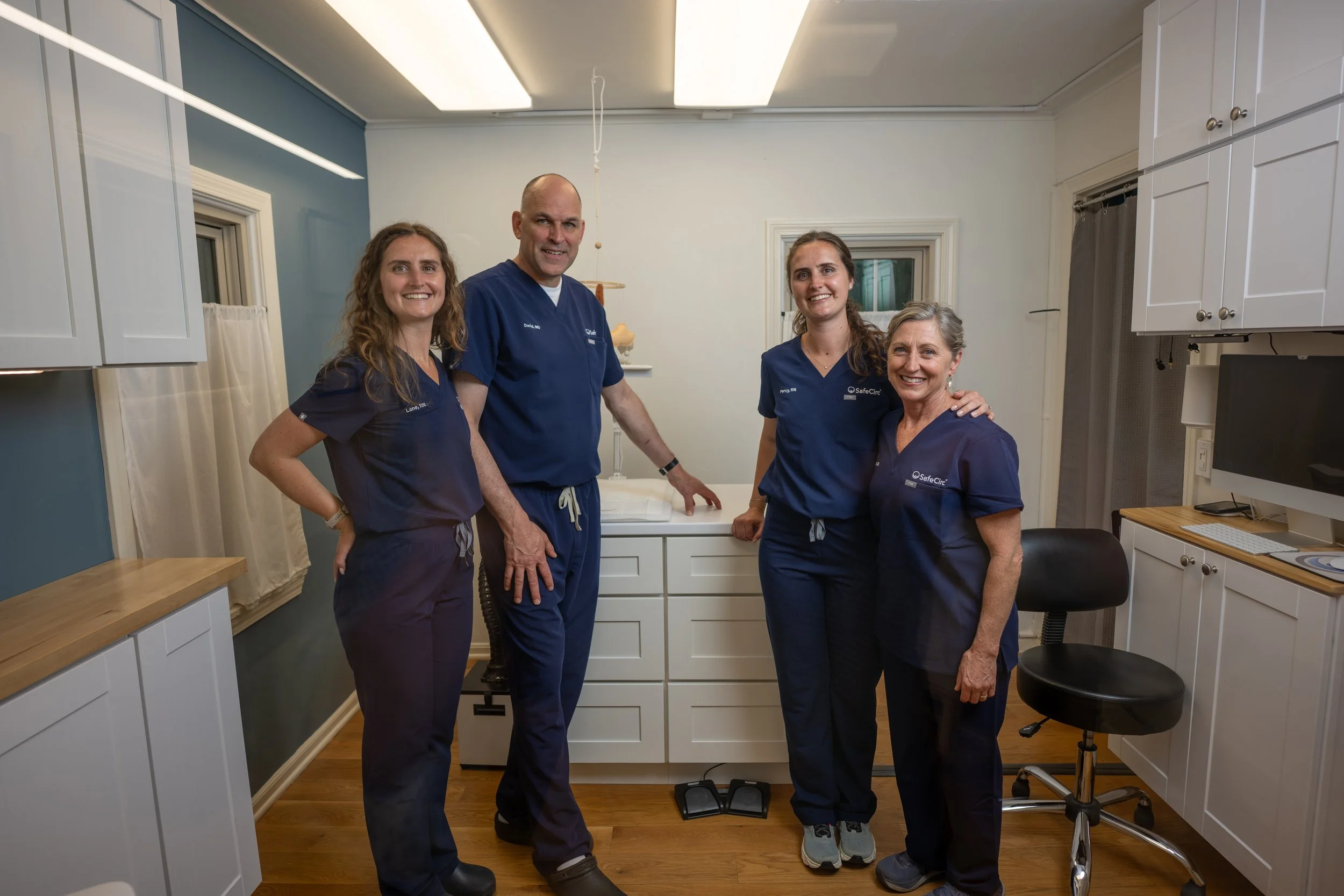
Circumcision is the most common surgical procedure performed on newborns in the United States. Yet it is one of the few major procedures with no standardized follow-up care system. Most babies go home after a hospital circumcision with basic aftercare instructions and no built-in follow-up appointment. If questions arise or complications develop, families often don't know who to contact. This gap in care was one of the key reasons SafeCirc® was founded.
The follow-up care gap in hospital circumcision
After a hospital circumcision, families are typically discharged within 24 hours with written aftercare instructions. The provider who performed the procedure rarely sees the family again. If the baby’s pediatrician has questions about the circumcision, they often need to call the hospital or OB office. If complications develop or a revision (a second circumcision procedure to correct issues from the first one, like removing too much or too little foreskin) is required, it’s often not immediately clear who the family should contact.
This lack of structured follow-up is unusual in modern medicine. Medical guidelines recommend a follow-up visit after circumcision. Yet most hospitals don't schedule one. There is no standard system ensuring families have access to the provider who performed the procedure if they have questions or concerns.
What this gap means for families and providers
When there is no structured follow-up, families navigate circumcision aftercare alone. If issues arise later, they often end up seeing a different provider who was not involved in the initial procedure. This creates confusion about continuity of care and who is responsible for managing any problems that develop.
When families reach out with questions, they often contact their pediatrician, who may not have details about how the circumcision was performed or what device was used. The provider who performed the circumcision typically does not learn about the complication. This breaks the feedback loop that allows providers to improve their practice.
In specialties with structured follow-up, providers see their complications, track their outcomes, and continuously refine their techniques. But when circumcision happens in busy hospital settings with no built-in follow-up system, this kind of learning does not occur.
National data shows that secondary procedure rates for newborn circumcision range from 2.45% to 2.90%. By contrast, SafeCirc® has achieved zero revisions and zero device-related injuries to date. In peer-reviewed clinical field trials of the AccuCirc® technology, the published revision rate was 0%, with 100% participant follow-up. These outcomes reflect our commitment to precision technique, the safest available device, and comprehensive follow-up care from start to finish.
How SafeCirc® designed follow-up care into its care model
SafeCirc® was founded on the principle that every baby deserves follow-up care from the provider who performed their circumcision.
Here is what SafeCirc®'s approach includes:
100% follow-up rate: Every family returns for a two-week follow-up visit, either in person or virtually for those families who travel from out of state for the procedure. We assess healing, address concerns, and ensure your baby's outcome is excellent.
24/7 provider access: If questions arise between visits or after hours, you can call or text your provider anytime. You are not left wondering or trying to reach an answering service.
Continuity of care: If anything needs attention, it is managed by the same provider who performed the procedure. You do not need to navigate different offices or start over explaining your baby's situation.
Parent education: Follow-up visits are opportunities to answer questions, provide confidence, and ensure you know what normal healing looks like.
Bottom line
Circumcision is a common procedure with an uncommon lack of follow-up care. Medical guidelines recommend structured follow-up, yet most hospitals do not provide it. This creates a gap where families do not know who to contact with questions, and providers don’t see the outcomes of their work. SafeCirc® was built to close this gap. We provide 100% follow-up, 24/7 provider access, and continuity of care with the person who performed your baby's circumcision. If you are choosing circumcision for your son, asking about follow-up care is fair and important. Your baby deserves someone who will be there to support his healing and answer your questions every step of the way.
Key takeaways
Most hospital circumcisions have no structured follow-up care, despite medical guidelines recommending a follow-up visit
Other common procedures have organized follow-up systems, while circumcision lacks standardized follow-up protocols
Without follow-up, families often do not know who to contact with questions or concerns
Lack of provider feedback means complications are not tracked, and providers cannot learn from outcomes
SafeCirc® provides 100% follow-up, 24/7 provider access, and continuity of care to close this gap in the standard of care
FAQs
What counts as normal healing after circumcision?
Normal healing includes mild swelling and redness for the first few days, some clear or yellowish drainage, and gradual tightening of the skin around the circumcision site over 7-10 days. Most babies fully heal within two weeks. Having access to your provider to discuss what you are seeing is important for peace of mind.
Should I contact a doctor if I have questions after circumcision?
Yes. If you are uncertain whether something is normal, reaching out is always appropriate. With SafeCirc®, you can contact your provider 24/7 by phone or text. With hospital circumcisions, you may need to call your pediatrician or the hospital, and the provider who performed the circumcision may not be available.
What is the difference between follow-up and just calling with questions?
Structured follow-up means a scheduled appointment where your provider assesses your baby's healing in person. This catches issues early and provides reassurance. Being available to answer questions is helpful, but it is not the same as systematic follow-up care designed to ensure excellent outcomes.

Ready to learn more?
We’re here. Schedule a free consultation, book a tour of our Center, or schedule your baby’s care today.